
Overview
Residential Asset Repositioning
Strategic Visualization for Buyer Decision-Making
Estate Potential Clarification
Multi-Building Property Narrative Development
Development Opportunity Communication
THIS PROJECT INVOLVES A LARGE RESIDENTIAL ESTATE LOCATED ON KIFISIAS AVENUE IN KIFISIA, COMPRISING MULTIPLE BUILDINGS WITHIN AN EXTENSIVE PRIVATE PLOT.
The property includes approximately 836 sqm of built structures distributed across a main residence and several secondary buildings, situated on a 2,662 sqm plot with an additional ~281 sqm of remaining development potential.
Due to the scale of the estate and the presence of multiple structures, the asset presented significant spatial and investment potential that was not immediately clear to prospective buyers.
The objective of the project was therefore not simply visual representation, but the strategic clarification of the property’s residential and development potential, enabling the asset to be understood as a coherent high-value estate rather than a collection of disconnected buildings.
1. The Challenge
The main obstacle was not architectural design but market clarity.
Despite its scale and development potential, the property lacked a coherent narrative that could help buyers understand how the asset could be used or upgraded.
Key issues included:
• Multiple buildings without a unified functional narrative
• Difficulty understanding the overall potential of the estate
• Unutilized building allowance
• Lack of a clear residential or investment scenario
• Buyer uncertainty regarding the asset’s long-term value
2. Strategic Positioning Approach
The strategy focused on repositioning the estate as a coherent high-value residential property, rather than a fragmented collection of buildings.
This approach included:
• Defining the target buyer profile (high-end residential buyer or premium residential investor)
• Structuring a clear lifestyle and usage scenario
• Highlighting the estate’s core value drivers:
- large primary residence
- expansive outdoor areas
- private pool and landscaped environment
- potential for additional development
The objective was to translate physical complexity into a clear buyer proposition, enabling investors and buyers to immediately understand the asset’s potential.
3. Visual Decision Architecture
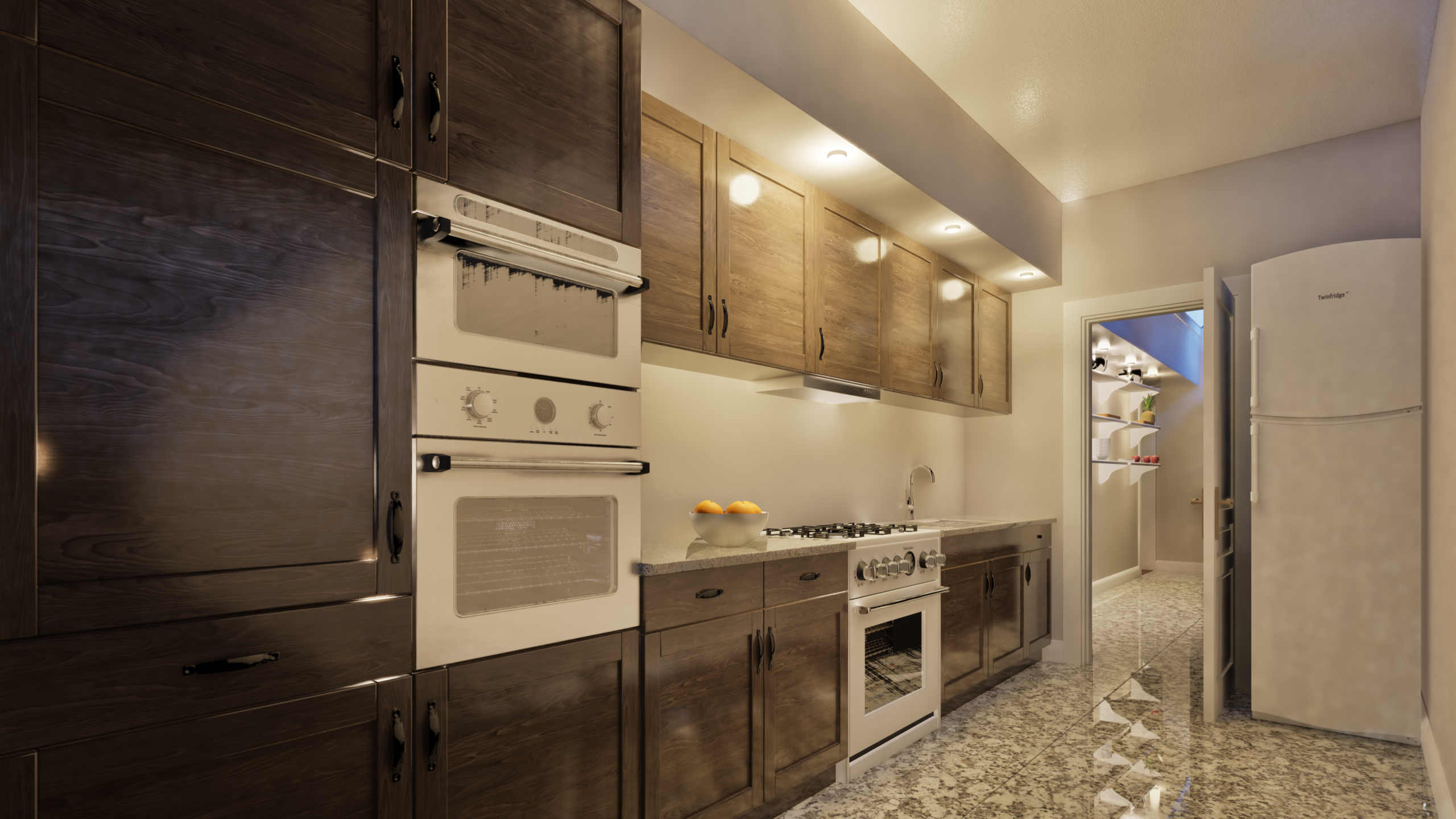
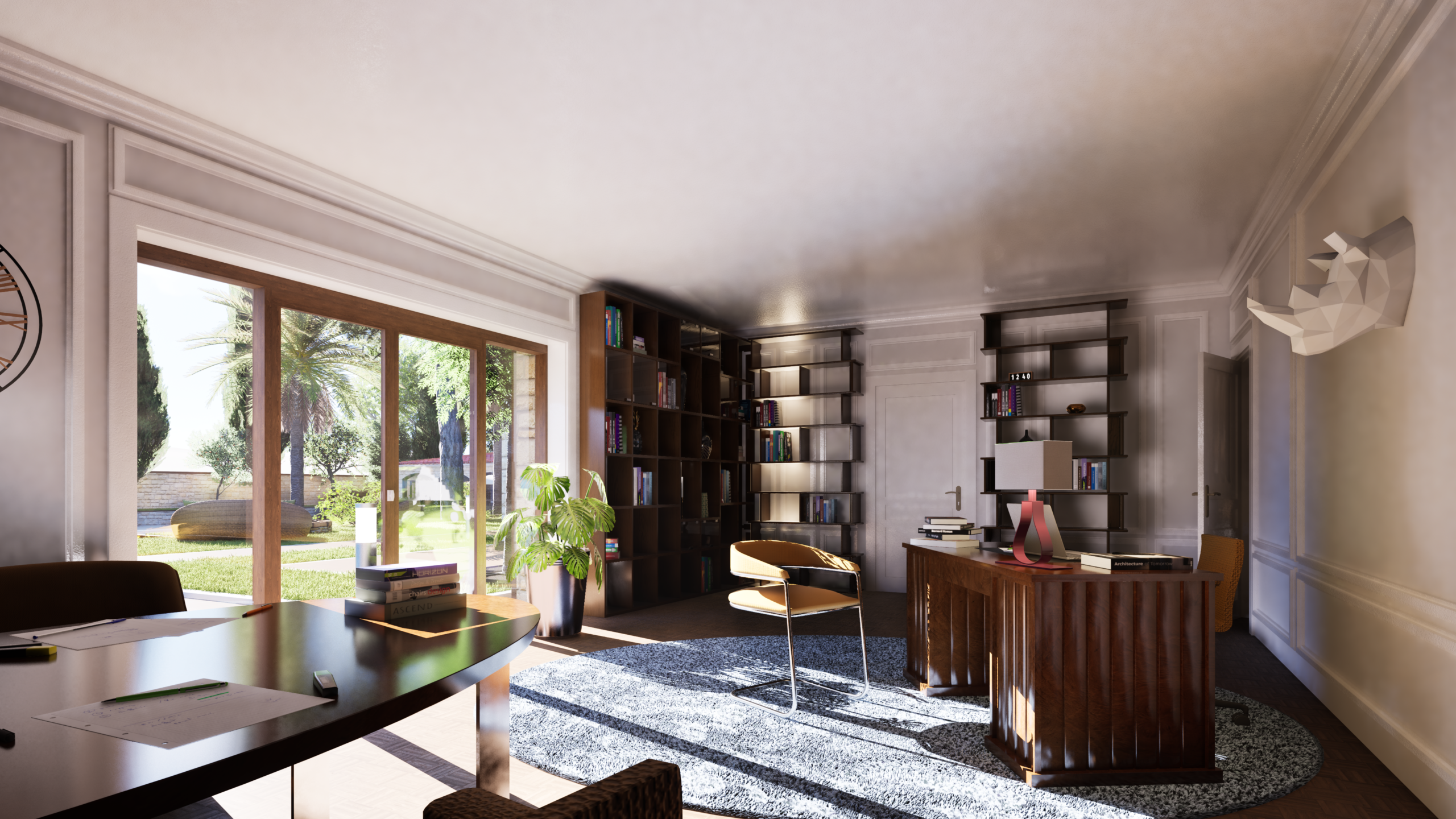
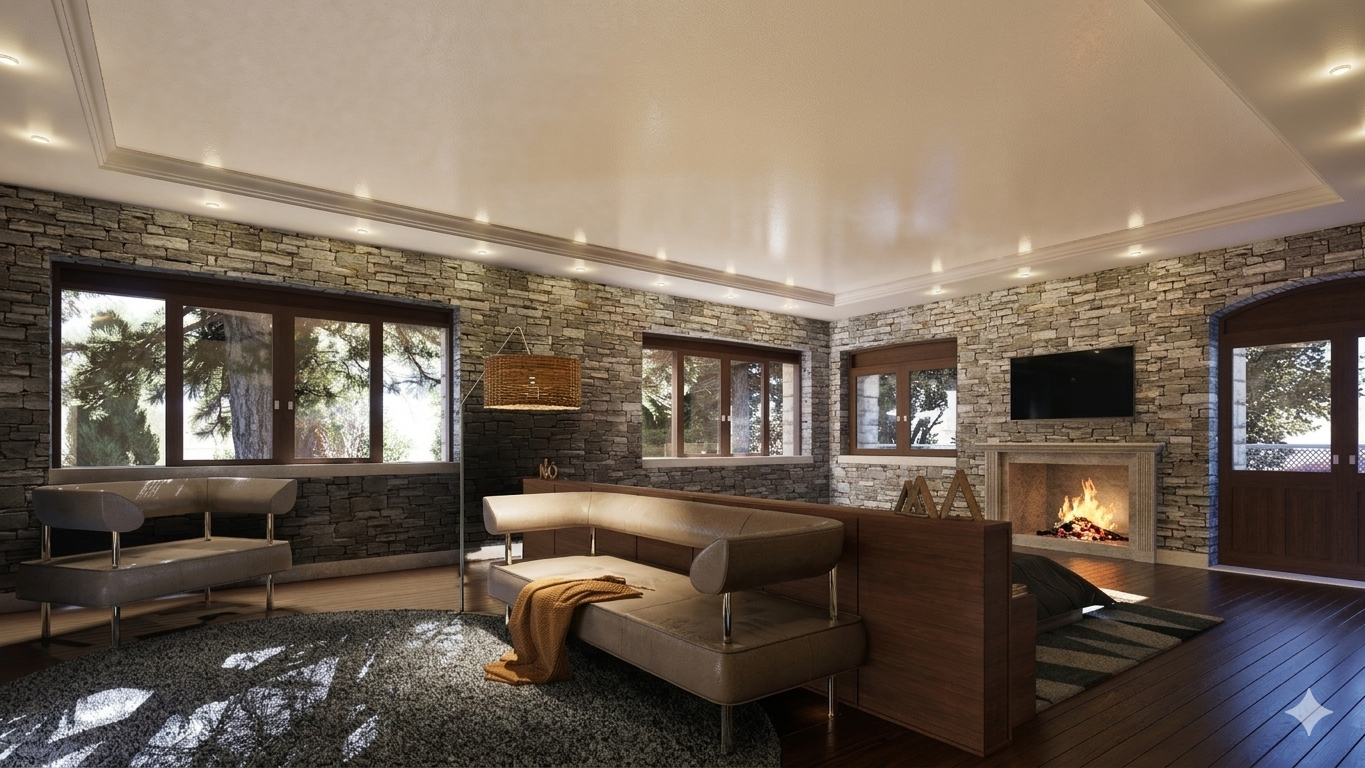
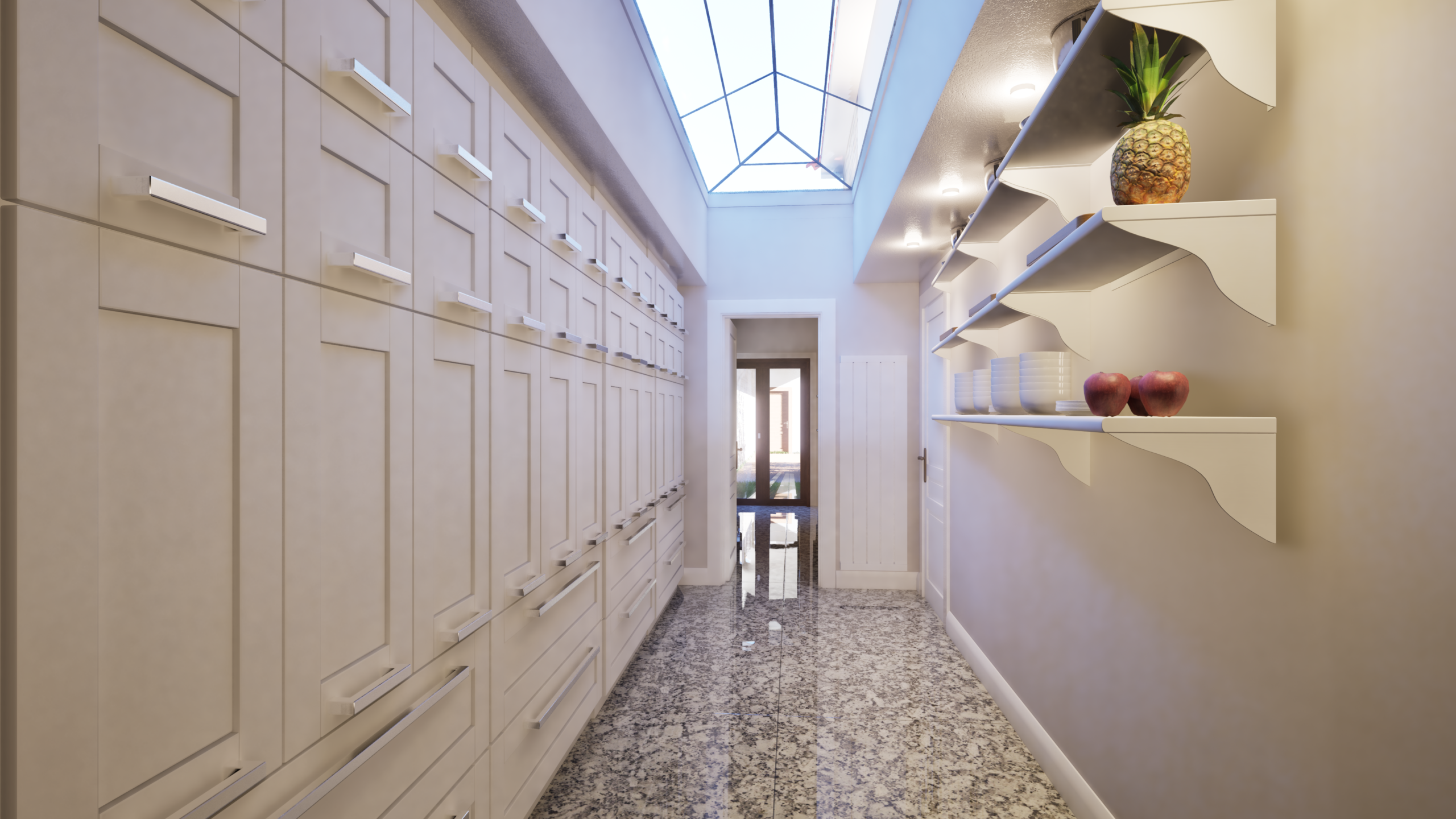
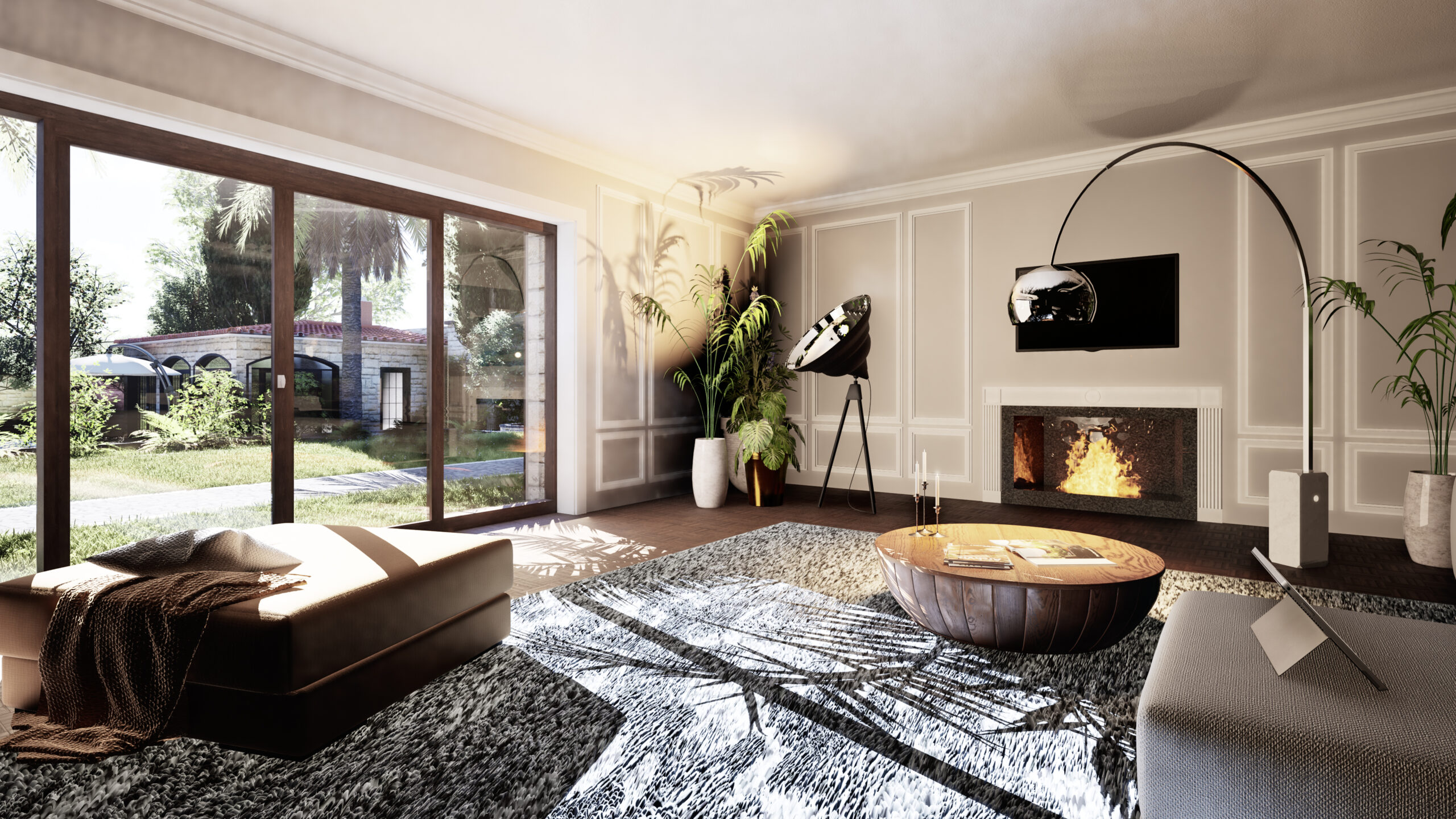
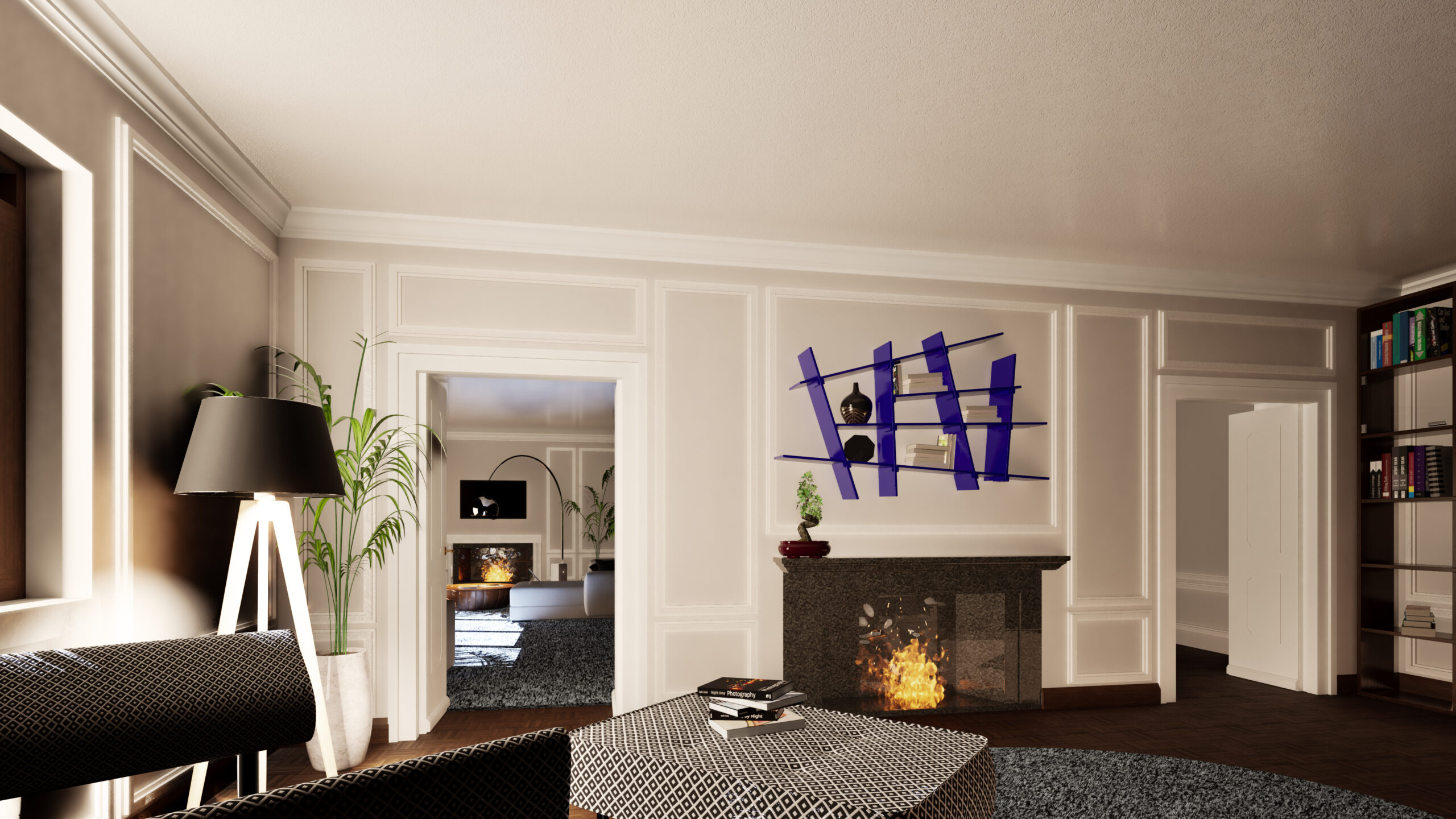
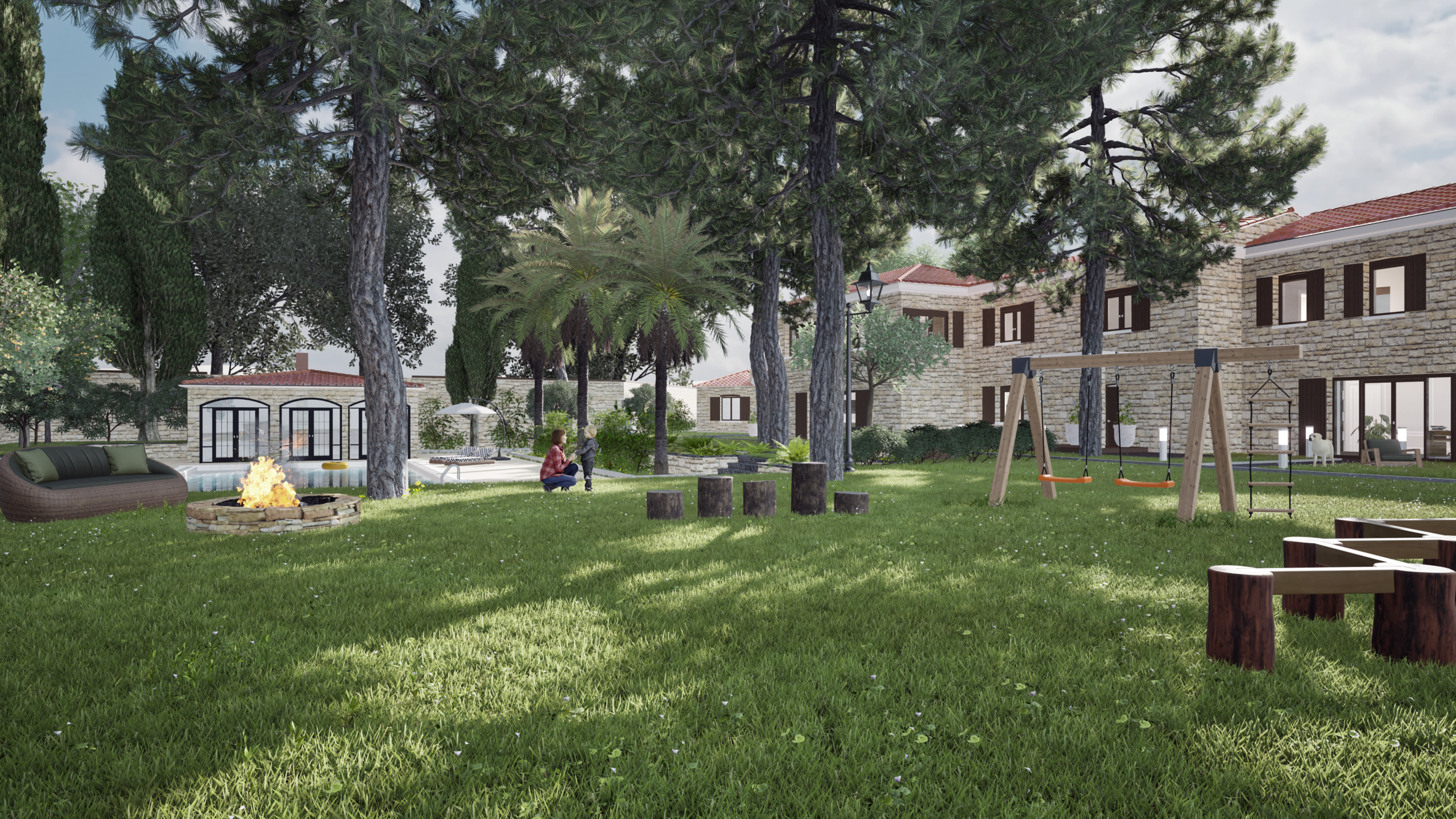
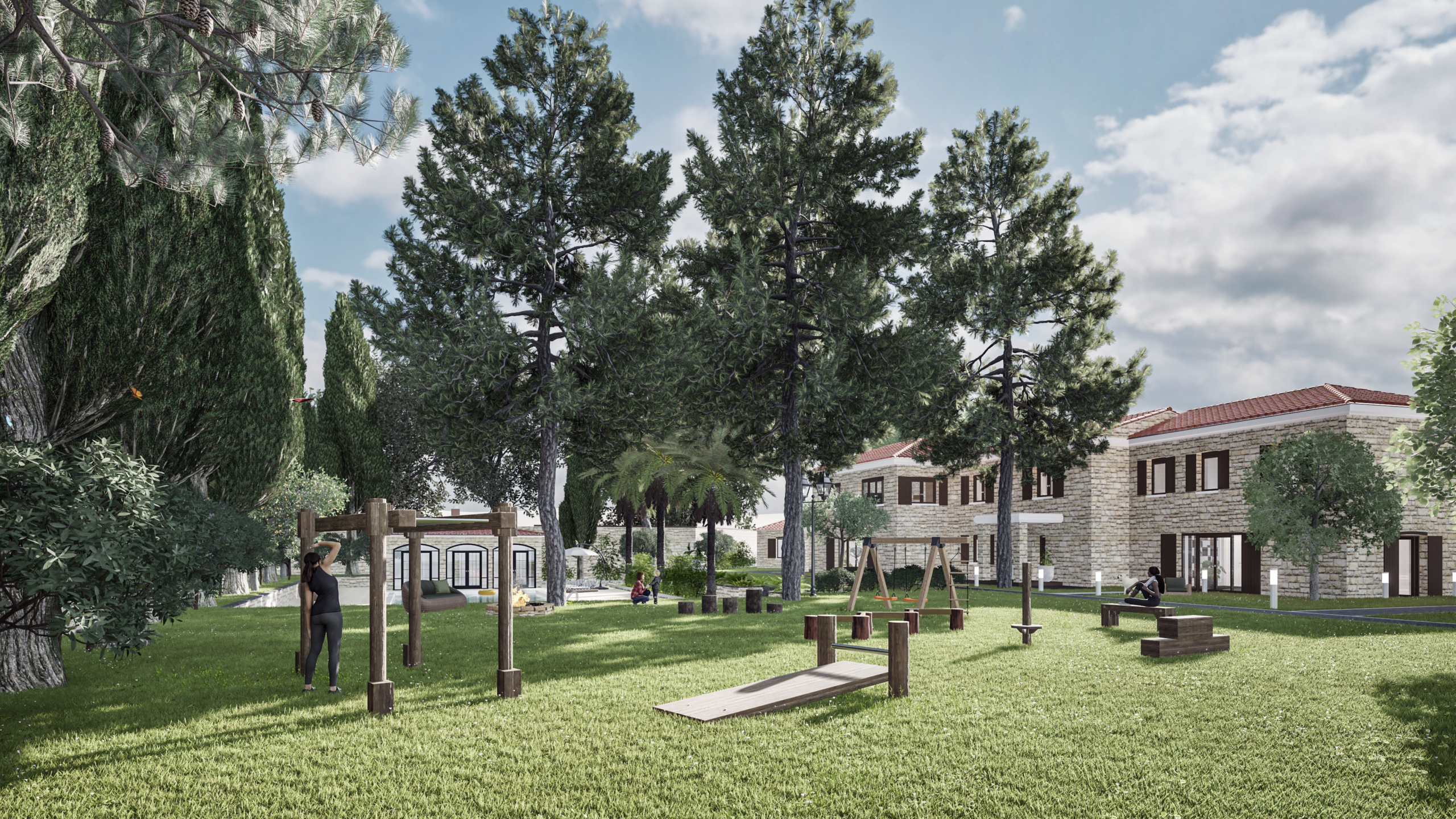
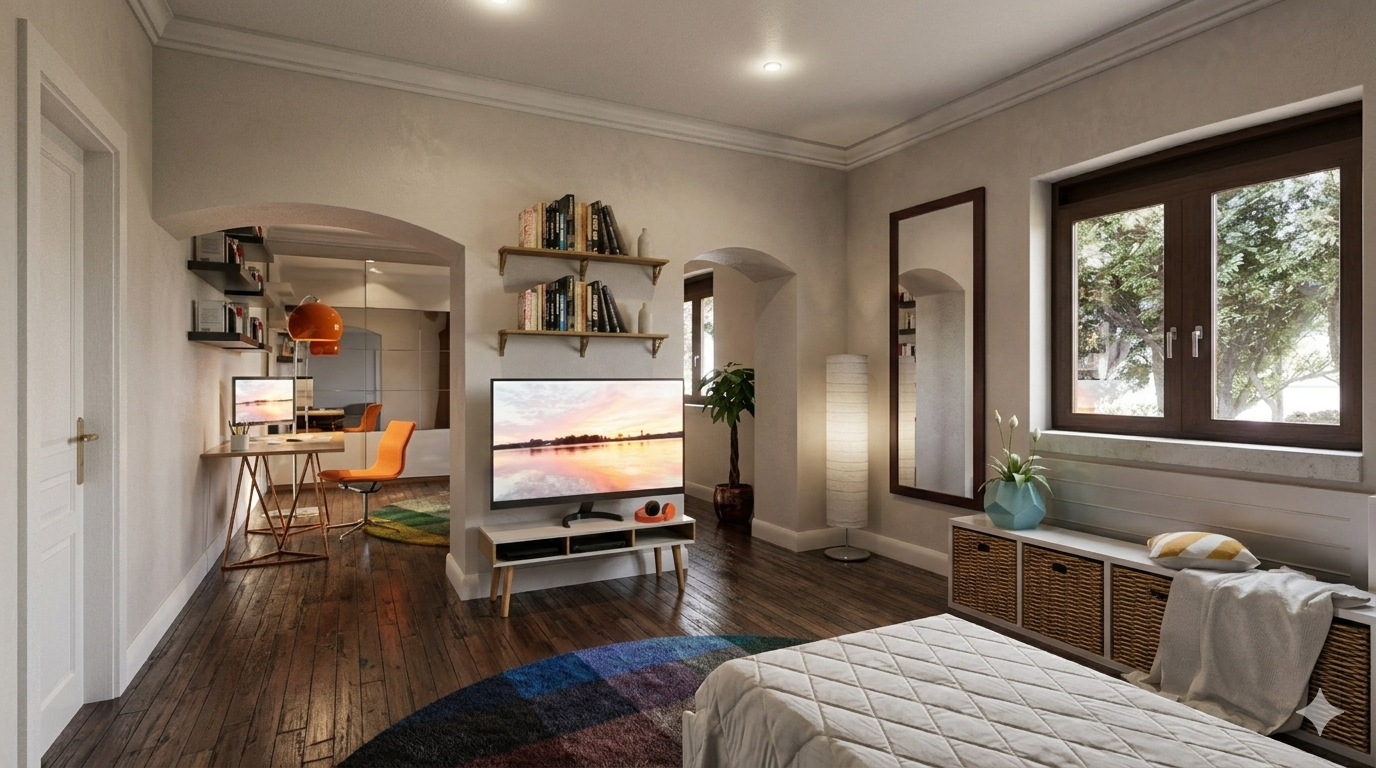
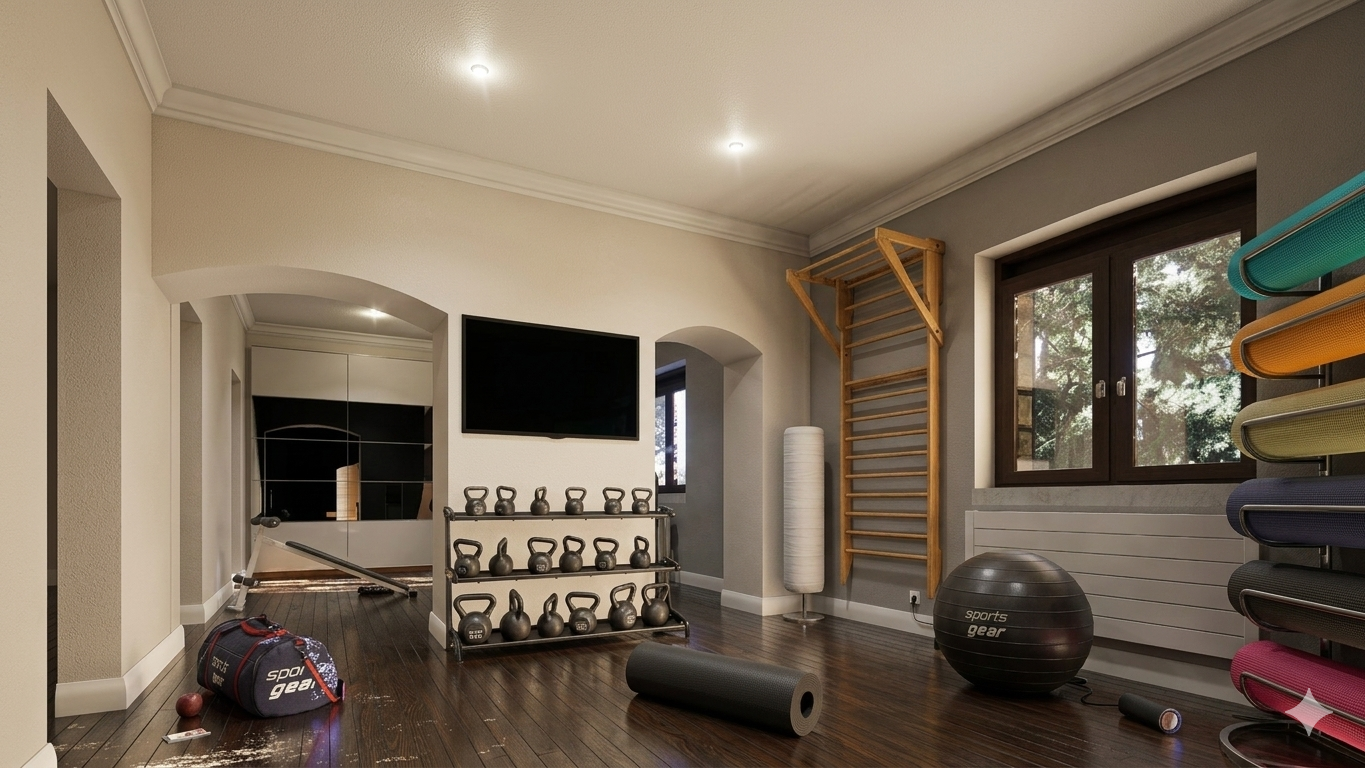
To support the repositioning strategy, NOTUS developed photorealistic interior and exterior renderings illustrating the key spatial experiences of the property.
These images were not created as aesthetic visualizations but as decision-support tools.
The scenes were carefully selected to answer the primary questions potential buyers typically ask:
- How does the main residence function as a living environment?
- How are the outdoor spaces experienced?
- What is the relationship between the house, pool, and landscape?
- How do the secondary buildings integrate into the overall estate?
Through this visual framework, the renderings:
- reduced buyer uncertainty
- clarified the spatial potential of the asset
- accelerated buyer understanding
The images effectively bridge the gap between technical property data and investment perception.
4. Adaptive Buyer Scenario
The visualization strategy was designed to remain adaptable to different buyer scenarios.
If a prospective buyer considers alternative spatial uses—such as converting rooms or adjusting programmatic functions—the visualization framework can be updated to reflect those preferences.
This flexibility allows the material to support:
- real-time negotiation discussions
- buyer-specific adaptation scenarios
- faster alignment between owner and investor expectations
In this context, the renderings function not only as marketing material but also as tools for deal-responsive communication.
5. Commercial Function
The visualization material serves as a key communication asset in the property’s commercial promotion.
It supports:
- presentations to investors and high-value buyers
- real estate brokerage discussions
- early-stage evaluation before physical visits
By clarifying spatial experience and development potential, the material helps reduce time-to-decision in the acquisition process.
6. Project Impact
/ From a complex property into a market-ready investment narrative.
Through strategic visualization and positioning, the estate moved:
- from uncertain spatial potential → to clearly articulated value
- from fragmented structures → to a coherent residential scenario
- from abstract property data → to a decision-ready asset
The result is a property presentation that strengthens buyer confidence and supports faster, more informed real estate decisions.